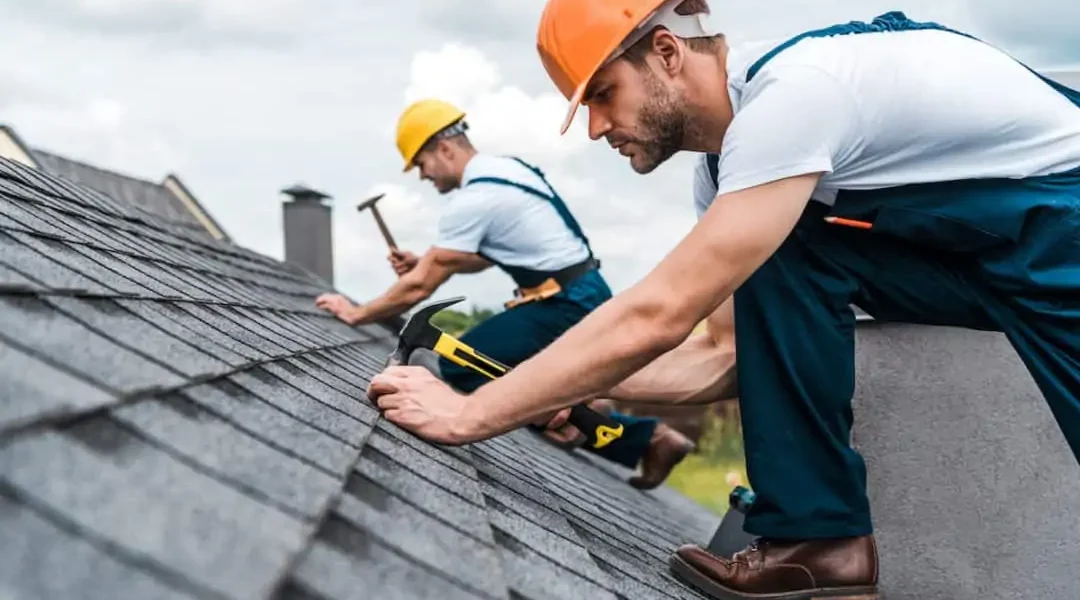
When it comes to homeownership, one of the most critical aspects of maintaining your property’s value and structural integrity is ensuring that your roof is in good condition. Roof replacement might seem like a daunting task, but it’s an investment that can save you money and protect your home in the long run. If you’re experiencing frequent leaks and live in Seattle, it’s crucial to consider a professional roof replacement seattle rainy climate demands a reliable roofing solution. In this article, we will explore the importance of roof replacement and provide you with valuable insights to guide you through the process.
The Significance of a Solid Roof
Your roof is more than just a protective covering for your home; it’s a shield against the elements. A well-maintained roof ensures that your property remains dry, safe, and comfortable for you and your family. Here’s why it’s essential:
1. Weather Resistance
Your roof takes the brunt of Mother Nature’s fury. Whether it’s rain, snow, hail, or scorching sun, your roof must withstand it all. A compromised roof can lead to water leaks, structural damage, and costly repairs.
2. Energy Efficiency
A properly insulated and maintained roof can significantly impact your home’s energy efficiency. It helps regulate indoor temperatures, reducing the strain on your heating and cooling systems, ultimately saving you money on utility bills.
3. Curb Appeal
The roof is a prominent feature of your home’s exterior. A well-maintained roof enhances curb appeal, increasing your property’s value and making it more attractive to potential buyers if you ever decide to sell.
Signs It’s Time for a Roof Replacement
1. Age
Roofs have a lifespan, and most asphalt shingle roofs last between 20 to 30 years. If your roof is nearing or has exceeded this timeframe, it’s time to consider a replacement.
2. Visible Damage
Obvious signs of damage, such as missing shingles, curling, or cracked tiles, are clear indicators that your roof is in trouble.
3. Water Leaks
If you notice water stains on your ceiling or walls, it’s a sign that your roof is allowing moisture to penetrate your home. Prompt action is crucial to prevent further damage.
4. Increased Energy Bills
If your energy bills have been steadily rising, it could be due to a compromised roof’s inability to insulate your home effectively.
The Roof Replacement Process
1. Inspection
The first step is to have a professional roofing contractor inspect your roof thoroughly. They will assess the extent of the damage and provide you with a detailed report.
2. Choosing Materials
Selecting the right roofing material is crucial. Options include asphalt shingles, metal roofing, wood shakes, and more. Consider your budget, climate, and aesthetic preferences.
3. Removal
Old roofing materials are removed to create a clean surface for the new roof. This step is critical to ensure the new roof’s longevity.
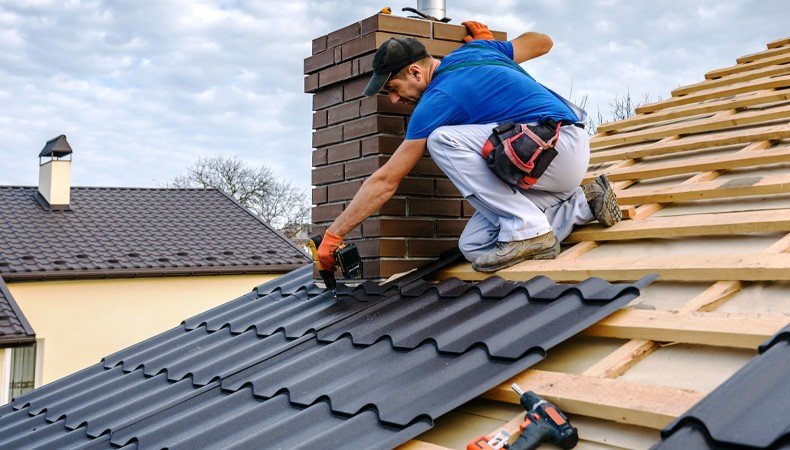
4. Installation
Professional roofers will install the new roofing materials following industry standards, ensuring a durable and weather-resistant finish.
5. Inspection and Maintenance
After the replacement, regular inspections and maintenance are essential to prolong your new roof’s life. Roofing professionals can identify issues early on and prevent costly repairs.
Conclusion
Investing in a roof replacement is not just about protecting your home; it’s about safeguarding your investment. A well-maintained roof can add value, enhance energy efficiency, and provide peace of mind. Don’t wait until it’s too late; take proactive steps to ensure your home is protected.